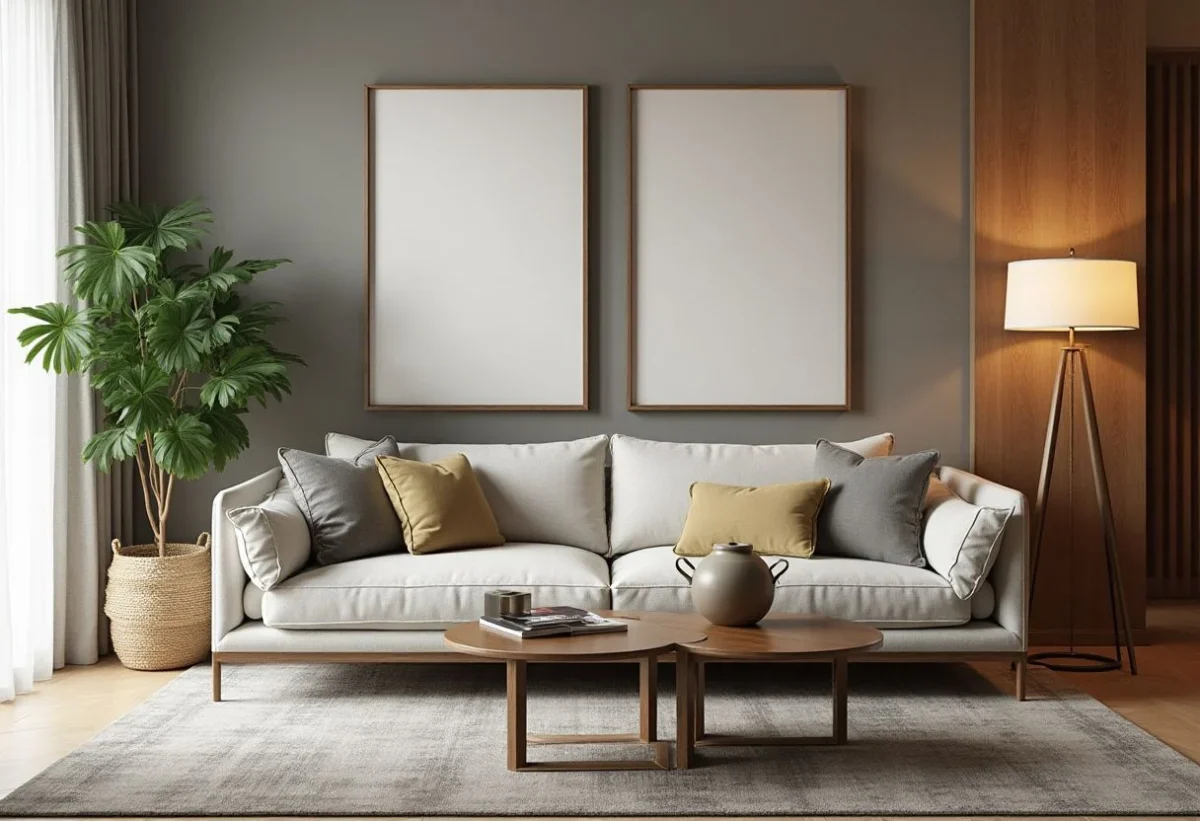
The sofa, this essential piece of furniture in our interiors, is often perceived as a mere element of decoration or comfort. However, it holds a significance far greater than it seems. For centuries, the sofa has evolved to become a centerpiece in our homes, reflecting our lifestyles, tastes, and needs. From Louis XIV to the present day, it has traversed the ages, adapting to societal and aesthetic changes.
The history of the sofa: from noble origins to democratization
The sofa is not a recent invention. Its roots can be traced back to Antiquity, but it is through the centuries that it has taken the form we know today. Let’s explore its historical journey together.
As early as Roman times, wealthy families used couches to relax. These early models were reserved for the elite, symbols of prestige and power. Over time, the couch evolved into the sofa, a piece of furniture that gained in comfort. Under the influence of the Renaissance, artisans further embellished and personalized these pieces, combining art and functionality.
The 17th century marks a decisive turning point with the advent of the Louis XIV style in France. The sofa became more than just a seat; it became a luxury item, adorned with gilding and sumptuous fabrics. During the Rococo period, it became lighter and more ornate, suited to the elegant salons of European aristocracy. In the 19th century, with industrialization, the sofa democratized and entered the homes of the bourgeoisie.
Finally, in the 20th century, modern design and new manufacturing technologies made the sofa accessible to all. Today, there are a multitude of models, from affordable sofas to designer models, allowing everyone to find one that suits their needs and budget.
Materials and styles: a world of possibilities
The choice of sofa is not limited to its shape or color. Materials and styles play a crucial role in the appearance and feel of your living space.
- Leather: Valued for its elegance and durability, leather adds a touch of timeless sophistication. It is often preferred in modern or classic interiors.
- Fabrics: Fabric offers a wide range of textures and colors. It adapts to all decoration styles, from bohemian to Scandinavian.
- Microfiber: Known for its stain resistance and ease of maintenance, this material is ideal for families with children.
As for styles, the Chesterfield sofa evokes a vintage atmosphere, while Scandinavian models, with their clean lines, bring a modern and functional simplicity. Modular or convertible sofas, on the other hand, are perfect for optimizing space.
The sofa in interior design: a balance between aesthetics and functionality
In designing a living space, the sofa plays a central role. It must not only be comfortable but also harmonize with the rest of the decor.
Choosing a sofa requires consideration of the size of your room. A model that is too large can overwhelm the space, while one that is too small may seem lost in a large living room. The colors and patterns of the sofa should blend into the overall palette of your interior or, conversely, provide a striking contrast to energize the whole.
Moreover, the placement of the sofa influences circulation and interaction in the room. Positioning the sofa facing a focal point, such as a fireplace or a piece of art, can create an appealing visual effect. In an open space, a sofa can also serve as a separation between different areas, such as the living room and the dining room.
Maintenance and durability: extending the life of your sofa
A well-maintained sofa can last for years and retain its original appearance. Here are some tips to prolong its longevity.
- Regular cleaning: Vacuum your sofa weekly to remove dust and crumbs. Removable covers can be washed according to the manufacturer’s instructions.
- Appropriate products: Use products suitable for each type of material. For example, a special leather cleaner for leather sofas to avoid cracking.
- Avoid sun exposure: Direct sunlight can fade fabrics and dry out leather. Position your sofa away from direct rays.
Proper maintenance ensures not only the beauty and comfort of your sofa but also its durability over time.