
Dream destinations in Asia are no longer just a list of temples and beaches. Several countries on the continent are changing their access rules, taxes, and visitor quotas, which directly alters the on-site experience. Comparing these destinations today also means measuring the gap between the tourist promise and the real constraints that frame travel.
Destinations in Asia: Access Constraints and Tourist Tax Comparison
The choice of a destination in Asia increasingly depends on regulatory parameters. Some iconic sites now impose strict restrictions, while others remain largely open.
| Destination | Type of Restriction | Concrete Measure |
|---|---|---|
| Maya Bay, Thailand | Limited Access | Seasonal closure, daily visitor cap, swimming ban, limited visit duration |
| Boracay, Philippines | Past Temporary Closure | Closure for several months to reorganize infrastructure and reduce tourist pressure |
| Kyoto, Japan | Increased Taxation | Accommodation tax varying by nightly rate, potentially reaching 10,000 yen per person for the most expensive accommodations (since March 2026) |
| Thailand (secondary provinces) | Redistribution of Flows | Promotion of 55 secondary cities and provinces to alleviate congestion in Bangkok, Phuket, and Chiang Mai |
This table reveals a point that traditional guides do not address: the actual cost of a trip to Japan or Thailand is no longer limited to the plane ticket and accommodation. Local taxes and access constraints alter the budget and itinerary.
Several travelers planning a trip in Asia will find detailed itineraries on the En Route pour l’Asie website, which also lists destinations less exposed to these restrictions.
Thailand and Its Secondary Provinces: An Alternative to Classic Tours
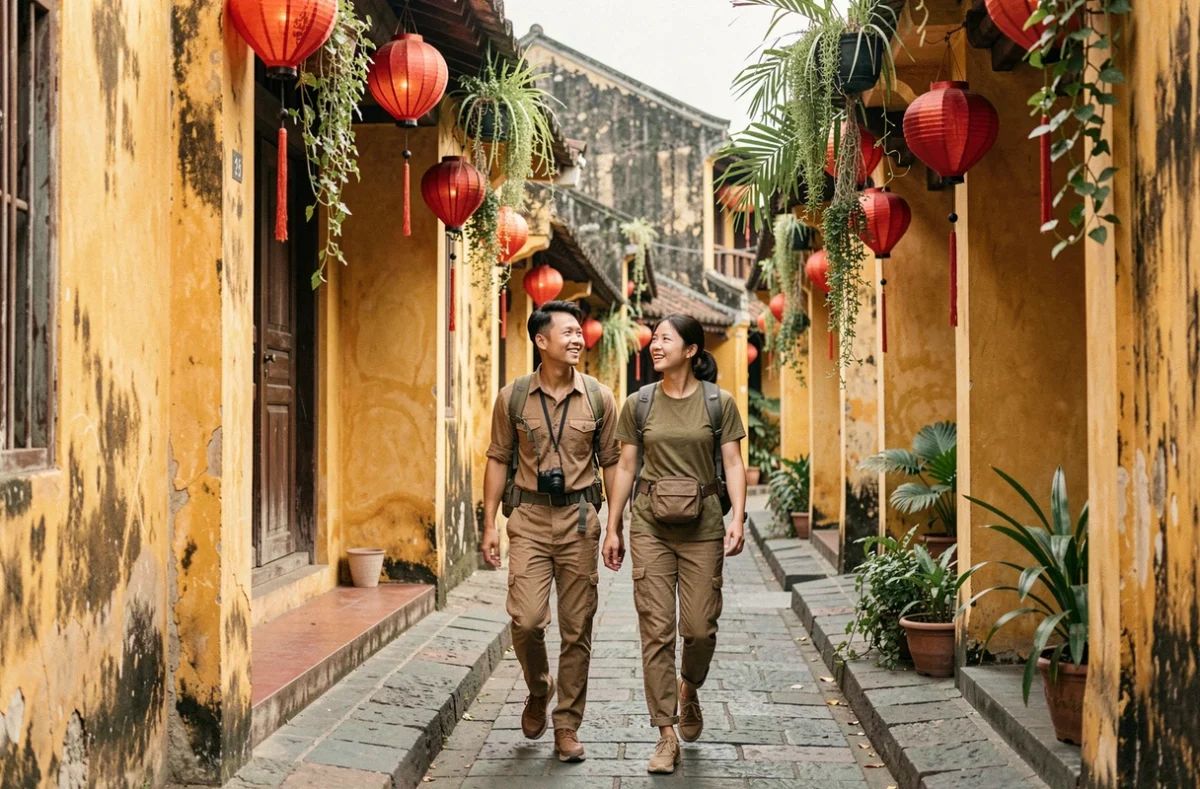
Thailand remains the most cited destination for a first trip to Asia. Its beaches, temples, and cuisine attract millions of visitors each year. The problem: this concentration creates congestion in the same tourist hotspots.
The official strategy of redistributing visitors to 55 secondary provinces opens up concrete avenues for travelers. Instead of following the Bangkok-Chiang Mai-Phuket route, it becomes possible to explore less saturated regions, with equally spectacular landscapes and a more direct cultural immersion.
What the New Thai Rules Change for Travelers
Checking visa conditions before booking remains a step that travelers can no longer overlook, even for short stays.
- Itineraries combining Bangkok and a secondary province (Isaan, Trat, Chumphon) allow for budget distribution across cheaper accommodations while discovering less frequented sites
- The beaches of the Gulf of Thailand, excluding Koh Samui and Koh Phangan, offer comparable swimming conditions without the queues or inflated prices
- The national parks in the inland regions provide access to karst landscapes and tropical forests without quota restrictions
Japan, Sri Lanka, Vietnam: Three Travel Profiles, Three Budget Levels
These three countries represent radically different experiences in terms of cost, pace, and types of activities. Grouping them in the same list without distinction would be misleading.
Japan: A Cultural Trip with a High Budget
Japan combines exceptional cultural density with one of the most efficient transport networks in the world. However, the tourist tax in Kyoto significantly increases the bill for stays focused on historical sites. Travelers targeting cities like Nagasaki or rural areas avoid this surcharge while accessing remarkable temples, hot springs, and coastal landscapes.
Sri Lanka: Nature Tours and Archaeological Sites
Sri Lanka attracts with the diversity of its landscapes in a compact territory: tea plantations in the highlands, beaches on the southern coast, archaeological sites in the center of the island. The country remains accessible in terms of daily budget, and two to three-week tours allow for covering the essentials without internal flights.
Vietnam: The Most Favorable Value for Money
Vietnam offers one of the best value-for-money options in Asia for travelers looking to combine landscapes, cuisine, and cultural discovery. From Hanoi to Ho Chi Minh City, tours traverse rice fields, coastal bays, and cities whose energy is unlike anything else on the continent.
Fragile Sites in Asia: Anticipating Closures and Quotas Before Departure
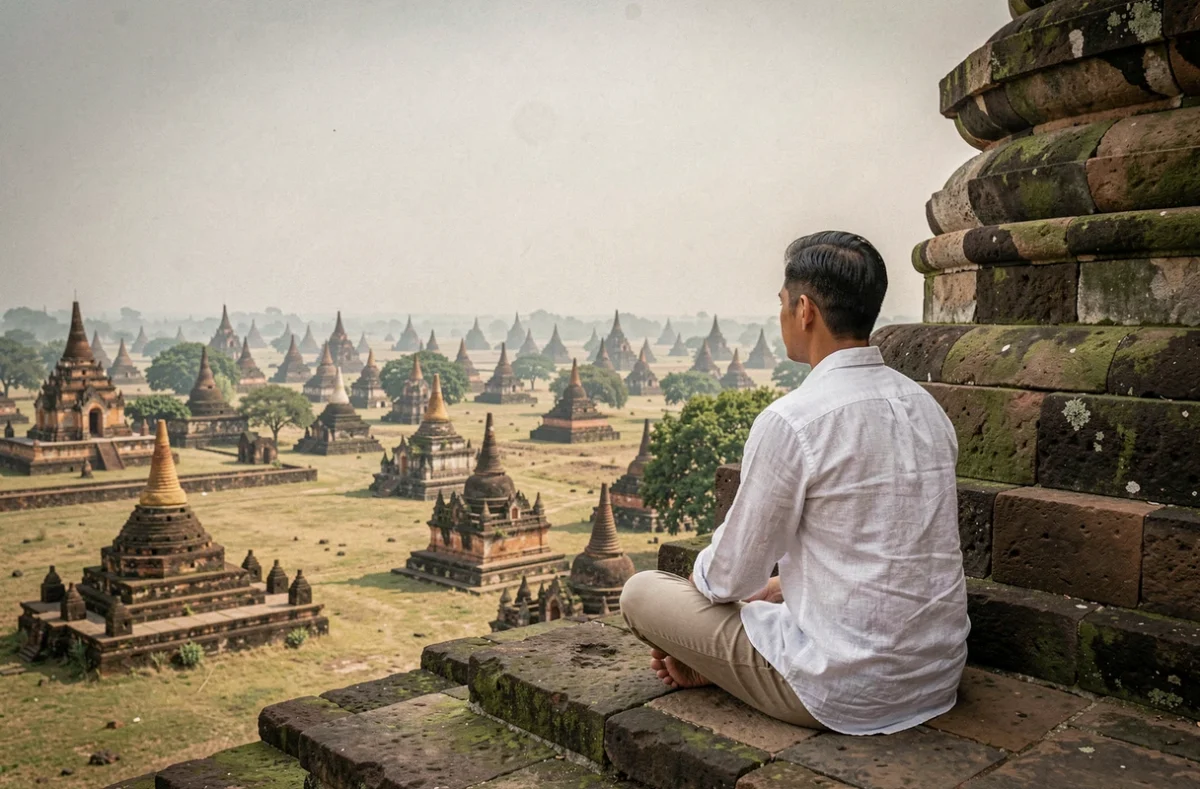
Maya Bay illustrates a phenomenon that extends to other Asian sites. Seasonal closures, swimming bans, and daily visitor caps are measures designed to allow marine ecosystems to regenerate. A site open today may be closed tomorrow, and this reality must be factored into the preparation of any trip to Asia.
Boracay in the Philippines has already undergone a complete closure for several months. This precedent shows that local authorities are no longer hesitant to suspend tourist access when environmental degradation exceeds a critical threshold.
- Consult the official websites of national parks and municipalities before finalizing an itinerary, especially for beach destinations
- Plan alternatives in the itinerary in case a site becomes temporarily inaccessible
- Incorporate local taxes (accommodation, site access) into the projected budget, particularly for Japan
Dream destinations in Asia remain accessible, but logistical preparation weighs as much as the choice of the destination itself. Travelers who integrate these constraints into their planning avoid unpleasant surprises and enjoy better-preserved sites, which ultimately enhances the quality of the trip.