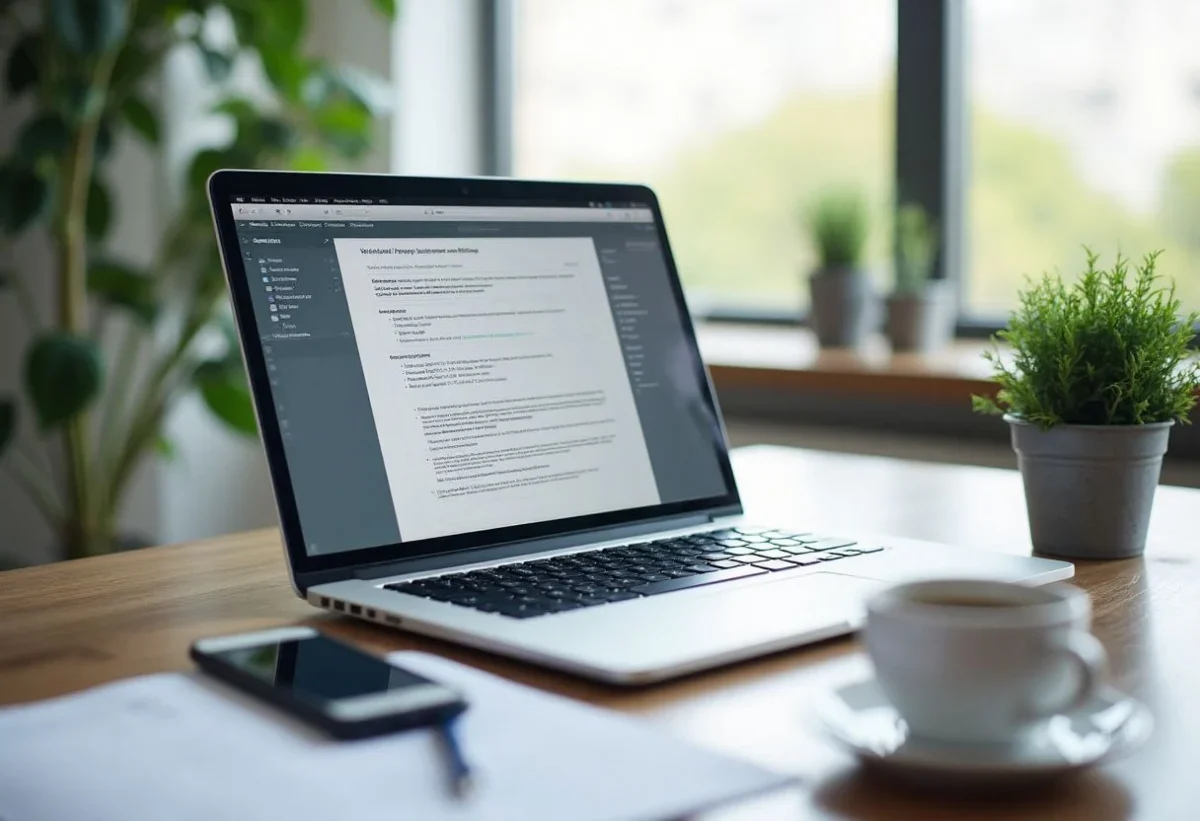
The transition to electronic document management represents not only a technological advancement but also a necessity in the face of current ecological and economic challenges. Moving to a paperless environment is becoming a priority for companies eager to reduce their ecological footprint while optimizing their internal processes.
Electronic Document Management
Dematerialization is the process of replacing paper documents with digital equivalents. This change is accompanied by the digitization and electronic storage of information, the use of electronic signatures, and digital resources for processes that were once reliant on paper. The evolution of technology has made electronic document management (EDM) more accessible, even for small and medium-sized enterprises (SMEs).
The Challenges of a Paper Economy
Excessive paper consumption poses significant environmental and financial challenges. On one hand, paper production contributes to greenhouse gas emissions, and on the other, it incurs substantial costs for businesses. Reducing paper consumption through the dematerialization of documents is an effective solution to decrease ecological impact while achieving savings.
Why Adopt an EDM Solution?
Adopting an electronic document management solution offers numerous advantages. For SMEs, EDM facilitates the centralization, organization, and security of information, thereby improving internal collaboration and productivity. Administrative processes are optimized, sharing and quick access to information are enhanced, and digital documents provide increased security through features that protect sensitive data.
The Security of Digital Documents
Security is a crucial aspect of digital document management. Modern EDM solutions integrate advanced security systems to protect sensitive data and ensure legal and regulatory compliance. The use of tools such as electronic signatures and digital vaults further enhances information protection.
Steps to Transition to Electronic Document Management
Analyzing the Company’s Needs
The first step towards going paperless is to conduct a thorough analysis of the specific needs of the company. This involves identifying the types of documents used, evaluating current processes, and determining areas for improvement through digital document management.
Choosing a Document Management System
Selecting the most suitable EDM solution is a key step. Selection criteria include ease of deployment, adaptability to the company’s specifics, and features offered such as automatic filing, real-time search, and process automation. Solutions like Open Bee, Digidoc, deltic, and Dimo Software are some examples of systems available on the market.
Implementing the Chosen Solution
This step involves planning and implementing the selected EDM solution. A deployment schedule must be established, and training should be provided for teams to ensure a smooth transition to the electronic management system. Support from digital experts, such as those referenced by France Num, can be a valuable asset.
Monitoring and Optimizing Processes
Once the solution is in place, it is essential to monitor the results obtained and continuously optimize processes. Continuous improvement involves regularly updating the tools used and integrating new features that meet the evolving needs of the company.
Long-term Benefits of EDM
The benefits of electronic document management are part of the sustainability of business practices. Moving to a paperless environment not only contributes to environmental preservation but also adapts to new technologies, thus preparing companies for a digital future.
Future Innovations in Document Management
The future of document management looks promising with the emergence of new technologies and trends. Artificial intelligence, blockchain, and the Internet of Things (IoT) could transform the way companies manage their documents, offering increasingly secure and efficient solutions.
Companies are encouraged to undertake this transition to digital now. Electronic document management is not just a way to modernize processes but also an essential strategy to remain competitive in an increasingly digitized world.