
Pregnancy is a period of major transformation in a woman’s life. It can be difficult to recognize the first signals, especially if you have never been pregnant before. The signals are often subtle and can be confused with other medical conditions or even with normal hormonal changes. Yet, these clues may be the first signs indicating that a new chapter in your life could be about to begin. You need to take care of yourself and your future baby in the best possible way.
The first signs of pregnancy: decoding
A common question that many women and even their partners ask is: ‘Is it possible to determine a pregnancy by touching the belly?’ This is a topic that often leads to confusion.
Physically, during the first weeks of gestation, a woman’s uterus remains relatively small • barely larger than an orange. It is not yet big enough to be felt during an abdominal examination. In fact, it is only around the second trimester that most women begin to show a real ‘bump’, an undeniable sign of pregnancy.
It should be noted that the term ‘touch’ should not evoke the image of a simple or instant test to confirm the presence of a developing life. Healthcare professionals can indeed use palpation as a tool during a physical examination, but this requires a thorough knowledge of female anatomy as well as a certain ability to discern subtle variations in the shape and firmness of the lower abdomen over time.
You need to undergo medical tests such as blood tests or ultrasounds to officially confirm the diagnosis.
Although it is possible for some women whose bodies change rapidly and significantly due to their new biological state, determining a pregnancy simply by touching the belly remains a unreliable and imprecise practice. You should consult a healthcare professional for accurate and safe information.
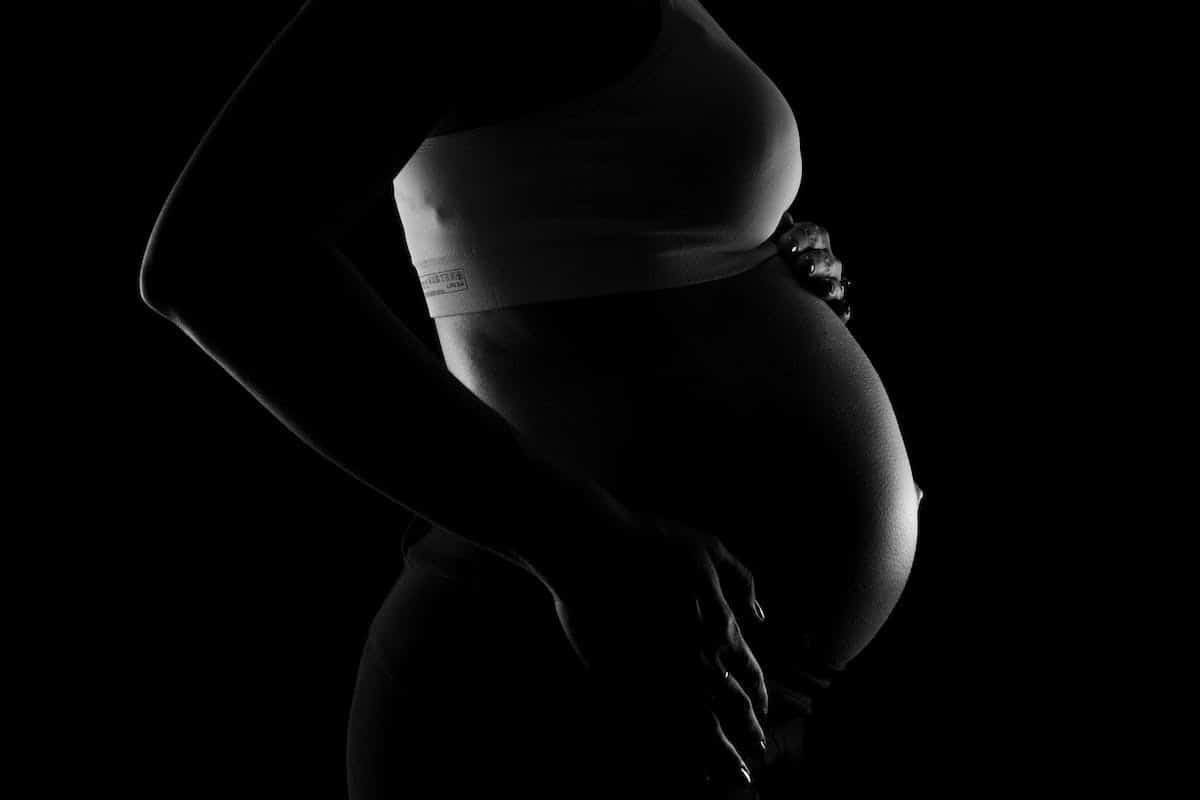
Pregnancy: the body’s transformations revealed
The bodily changes during pregnancy are numerous and varied. They can differ from one woman to another, but certain characteristic physical signals generally manifest.
One of the first noticeable changes is the increase in breast size. Due to the hormones produced during pregnancy, the mammary glands develop to prepare for breastfeeding the baby. The breasts may become more sensitive, swollen, and sometimes painful.
Another common sign is increased fatigue. Pregnant women often experience a significant sense of fatigue from the very beginning of their pregnancy. This is mainly due to the hormonal upheavals taking place in their bodies as well as the physical adjustments necessary to support the development of the fetus.
The belly also begins to change gradually as the pregnancy progresses. The uterus expands to accommodate the growing baby, resulting in a visible widening of the lower abdomen over the weeks. The skin may stretch and cause itching or even the appearance of stretch marks in some women.
Speaking of skin, it is worth mentioning the frequent appearance of a specific ‘glow’ on the face commonly referred to as the ‘pregnancy glow’. This phenomenon results notably from an increase in blood flow to the facial skin as well as an elevated level of skin hormones that give this distinctive luminous appearance to expectant mothers.
Morning sickness, although it can occur at any time of the day, is another common physical sign of early pregnancy. Certainly one of the most famous symptoms, these feelings of nausea can be triggered by various factors such as hormonal changes or an increased sensitivity to smells.
Regarding the digestive system variations that occur during pregnancy, they should be mentioned. Hormones affect gastrointestinal functioning and can cause bloating, constipation, or even the opposite with an increase in bowel frequency in some women.
To confirm your situation regarding these characteristic physical signals, it is recommended to consult a medical professional.
Pregnancy: the physical symptoms of the first trimester
The physical signals of pregnancy in the first trimester can vary from woman to woman, but certain indicators are frequently observed. Among them are the hormonal changes that significantly affect the body.
One of the most common signals is the increased sensitivity and size of the breasts. This phenomenon occurs due to the hormones produced during pregnancy, preparing the mammary glands for breastfeeding the baby. Women may also feel a sense of tension and sometimes even pain in this area.
Another physical manifestation often observed is the extreme fatigue felt from the beginning of pregnancy. This can be explained by the significant hormonal changes that the body undergoes to support the development of the fetus. It should be emphasized that each woman reacts differently to these changes and that some may be more prone to this increased fatigue than others.
The belly also begins to undergo visible transformations during the first trimester. The uterus gradually expands to accommodate the growing fetus, resulting in a visible widening of the lower abdomen over time.
Pregnancy: the physical symptoms of the second trimester
In the second trimester of pregnancy, the physical signals may evolve and manifest in different ways. One of the major changes is the increase in abdominal volume, which becomes more visible as the baby grows. Pregnant women will notice a gradual expansion of their belly, which can evoke pleasant sensations but also sometimes uncomfortable ones.
During this period, some expectant mothers may also feel movements in their belly. These first fetal movements are often described as being similar to ‘bubbles’ or ‘butterflies’. It is a magical moment for parents as it reinforces the idea that life is growing inside them.
The hormones continue to have an impact on the body during the second trimester. Some women report an overall improvement in their emotional and physical state during this period, while others may face some discomforts such as heartburn or back pain.
Another common physical manifestation in the second trimester is the dark line, also known as the linea nigra. This vertical line typically appears in the middle of the abdomen and may extend to the navel or even to the upper part of the pubis in some pregnant women. While it may be bothersome for some, it is simply a normal hormonal reaction related to bodily changes during pregnancy.
It is important to mention that each woman experiences her pregnancy uniquely and may perceive these physical signals differently. Some may have more radiant skin and shinier hair, while others may face issues such as stretch marks or acne. It is essential to take good care of their bodies and to remember that this is an incredibly special time when the body accomplishes a true miracle: giving life.
The second trimester of pregnancy brings its share of physical signals that testify to the development of the fetus. From the rounding belly to the first movements felt by the mother, through hormonal variations and skin changes, each stage is a unique experience for every pregnant woman. Fully enjoy this exceptional period while taking care of yourself and your upcoming baby.
Pregnancy: the physical symptoms of the third trimester
The third trimester of pregnancy is a crucial period where the woman’s body continues to transform to accommodate the rapidly growing baby. Many physical signals appear during this final phase of pregnancy.
One of the most obvious changes in the third trimester is the significant increase in abdominal volume. The belly rounds out more and may put pressure on other parts of the body, leading to a sensation of discomfort and sometimes even back pain. Pregnant women may also experience breathing difficulties due to the pressure exerted on the internal organs by the expanding uterus.
Hormones continue to play a predominant role in this late stage of pregnancy. Some women may experience an increased level of relaxin hormones, intended to soften the joints and ligaments so that the pelvis can prepare for childbirth. This can lead to a feeling of generalized looseness in certain areas of the body, which often requires these expectant mothers to adapt their lifestyle.
As the due date approaches, it is not uncommon for uterine contractions known as ‘Braxton-Hicks contractions‘ to sporadically occur in some pregnant women. These contractions are usually painless but allow the uterine muscles to prepare for the final delivery. It is important to differentiate these contractions from those actually related to labor, which are characterized by their regularity and increasing intensity.
The pressure on the bladder may also increase during the third trimester of pregnancy, leading to frequent urination in some women. The increase in blood volume in the body can cause swelling in the lower extremities and a feeling of heavy legs. Measures such as regular rest with elevated legs can help relieve this discomfort.
It should be emphasized that as the pregnancy progresses, certain physical signals may be unique to each pregnant woman. Each experience is unique, and it is important to listen to one’s own body and report any unusual or concerning symptoms to a healthcare professional.
The third trimester marks the final stretch before the long-awaited arrival of the baby. Physical changes are evident: rounded belly, back discomfort, sporadic contractions … But despite all these sometimes confusing signals for the female body, it is important to honor this wonderful moment where she actively participates in the creation of a new life.
Pregnancy: a summary of signs not to be overlooked
It is important to recognize that the physical signals of an early pregnancy can vary from woman to woman. Each body reacts differently to the hormonal changes and the transformations taking place. Some common signals are often present and can help identify an early pregnancy.
Morning sickness, increased fatigue, increased breast sensitivity, and changes in the menstrual cycle are all indicators frequently observed during the first weeks of gestation. It is important to consult a healthcare professional to obtain medical confirmation.
Early recognition of a pregnancy can pave the way for appropriate care from the start, thus contributing to the physical and emotional well-being of the future mother. Regular medical follow-up throughout the pregnancy will also help detect any potential complications and address them quickly.
It is important to note that these physical signals should not be considered absolutely definitive. In some rare cases, certain individuals may not present these typical symptoms but are still pregnant.
Once aware of being pregnant, it is crucial for a pregnant woman to take care not only of her body but also of her mind. Adopting a healthy lifestyle that includes a balanced diet, sufficient rest, and avoiding harmful substances such as alcohol or tobacco plays a vital role in the healthy development of the unborn child.
Recognizing the physical signals of an early pregnancy is essential to ensure appropriate care and guarantee a healthy pregnancy. Every woman has the right to experience this unique period with serenity and confidence, knowing that she is part of the miracle of life.