
Land in France is undergoing an unprecedented technical reorganization phase. Between the contraction of the market for buildable land, the tightening of regulations related to ZAN, and the shift towards urban recycling, development projects require a detailed understanding of land constraints even before the programming phase.
Additional costs of land recycling in already urbanized areas
The ZAN shifts the making of the city towards wastelands, vacant lots, and degraded fabrics. This reorientation comes at a cost that operational assessments regularly underestimate.
On a virgin plot in extension, the land cost is limited to acquisition and primary infrastructure. On an industrial wasteland or a built block to be recycled, three factors increase the bill: soil decontamination, demolition of existing structures, and parcel reorganization related to property fragmentation.
We observe that operations on wastelands require significantly longer preliminary study timelines than in classic extensions. A pollution diagnosis, a geotechnical study adapted to buried structures, followed by the clearing of easements and real rights: each step extends the timeline and generates financial uncertainties.

The fragmentation of parcels is a frequent bottleneck. When a redevelopment block includes several owners, the project leader must negotiate multiple sale promises, manage co-ownerships, and sometimes resort to the public utility declaration procedure. Professionals following land news on leblogdufoncier.fr gauge the extent of these constraints through concrete feedback, particularly on EPF or development concession arrangements.
This operational complexity explains why urban recycling does not replace constant volume extension of production. It produces fewer square meters per euro invested, which forces local authorities to arbitrate between density, programmatic diversity, and balance sheets.
Rural land market and buildable land: two opposing trajectories
The land market is not monolithic. In 2025, free and unbuilt lands and meadows continued to rise in price, driven by agricultural demand and asset diversification strategies. Conversely, the price of buildable land of less than one hectare acquired by individuals has declined.
This divergence reflects a dual movement:
- The programmed scarcity of buildable land, directly influenced by the land sobriety objectives set out in the SRADDET and revised PLUs, which reduces supply without necessarily supporting prices when construction demand simultaneously slows down.
- The vitality of the agricultural market, where traded areas remain dynamic and prices reflect the productive value of the land, reinforced by CAP subsidies and pressure on food sovereignty.
- A historic low point of artificialization, with traded areas significantly decreasing and construction transactions involving smaller surfaces than in the past thirty years.
For project developers, this situation necessitates recalibrating feasibility studies. The land price reference from three years ago is no longer applicable: market values in buildable areas are contracting while carrying costs are increasing.
Revision of urban planning documents and ZAN constraints on the ground
Local authorities are not merely applying ZAN theoretically. Several metropolitan areas and municipalities have initiated concrete revisions of their PLUs to reduce their land consumption. Nantes Métropole, for example, is modifying its local urban plan to limit land consumption by strengthening the protection of natural and agricultural spaces.
At the municipal level, the effects can sometimes be drastic. This type of situation illustrates the operational blockage faced by small municipalities when the artificialization quota is fully consumed or eliminated.
For land professionals, surveyors, developers, and promoters, monitoring changes to PLUs has become a routine management task. A plot classified as buildable today can shift to agricultural or natural zone during the next revision. We recommend systematically integrating a regulatory risk analysis into land feasibility studies, cross-referencing data from the SRADDET, the SCoT, and the local PLU revision schedule.
Land expertise: tools and methods to secure a project
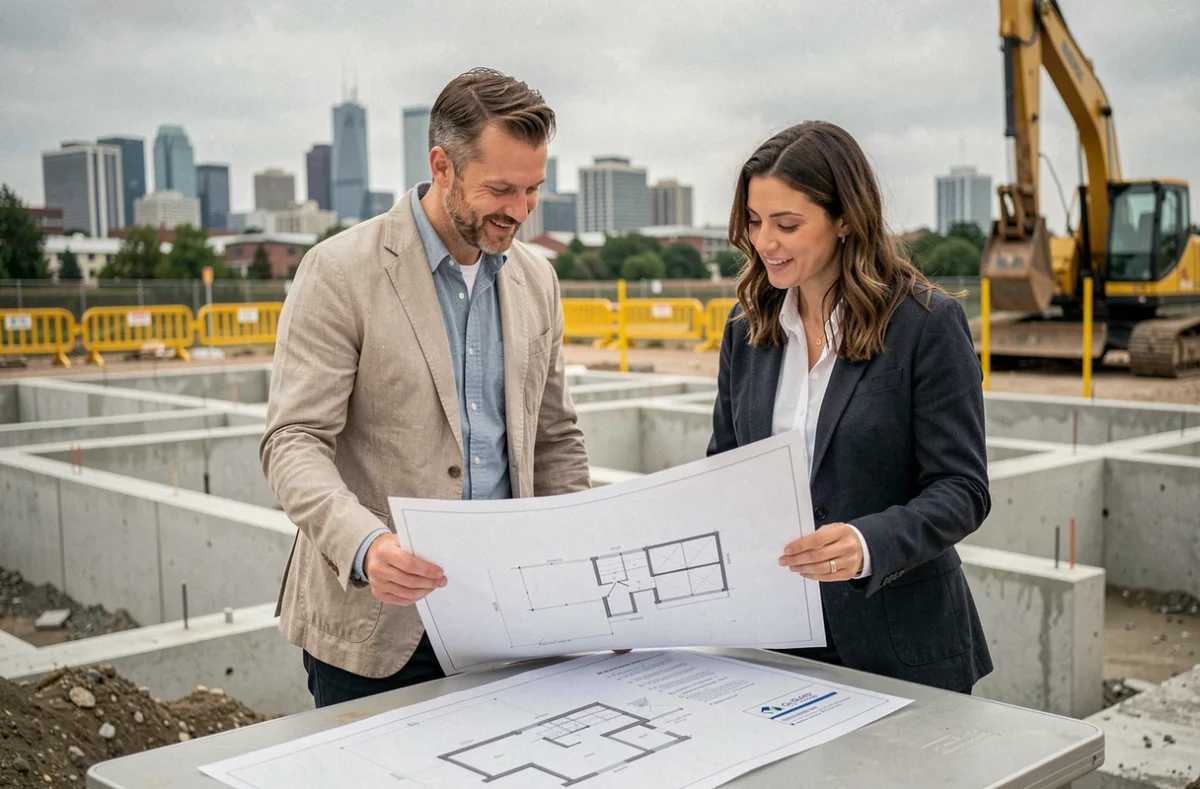
Land expertise is not limited to boundary marking and surveying documents. In recycling or densification operations, it mobilizes a chain of complementary analyses:
- A comprehensive parcel audit, including verification of easements (passage, networks, views), real rights recorded in the property file, and any archaeological prescriptions.
- A soil diagnosis (pollution, geotechnical, hydrogeological) from the preliminary study phase, to avoid decontamination costs discovered during the construction phase.
- Modeling the development balance sheet incorporating demolition costs, temporary relocation, and parcel reorganization, items absent from classic extension balance sheets.
- Continuous regulatory monitoring, as a change in PLU zoning can invalidate a project in the assembly phase.
The professionalization of this chain of expertise also involves training. The Land Institute created by the Order of Surveyors aims precisely to enhance the responsiveness and relevance of client advice on these technical issues.
French land is contracting in volume, becoming more complex in law, and increasing in cost in recycling. The projects that will succeed in the coming years will be those whose land expertise has been conducted from the outset, with a cross-analysis of the market, regulations, and the physical constraints of the site.