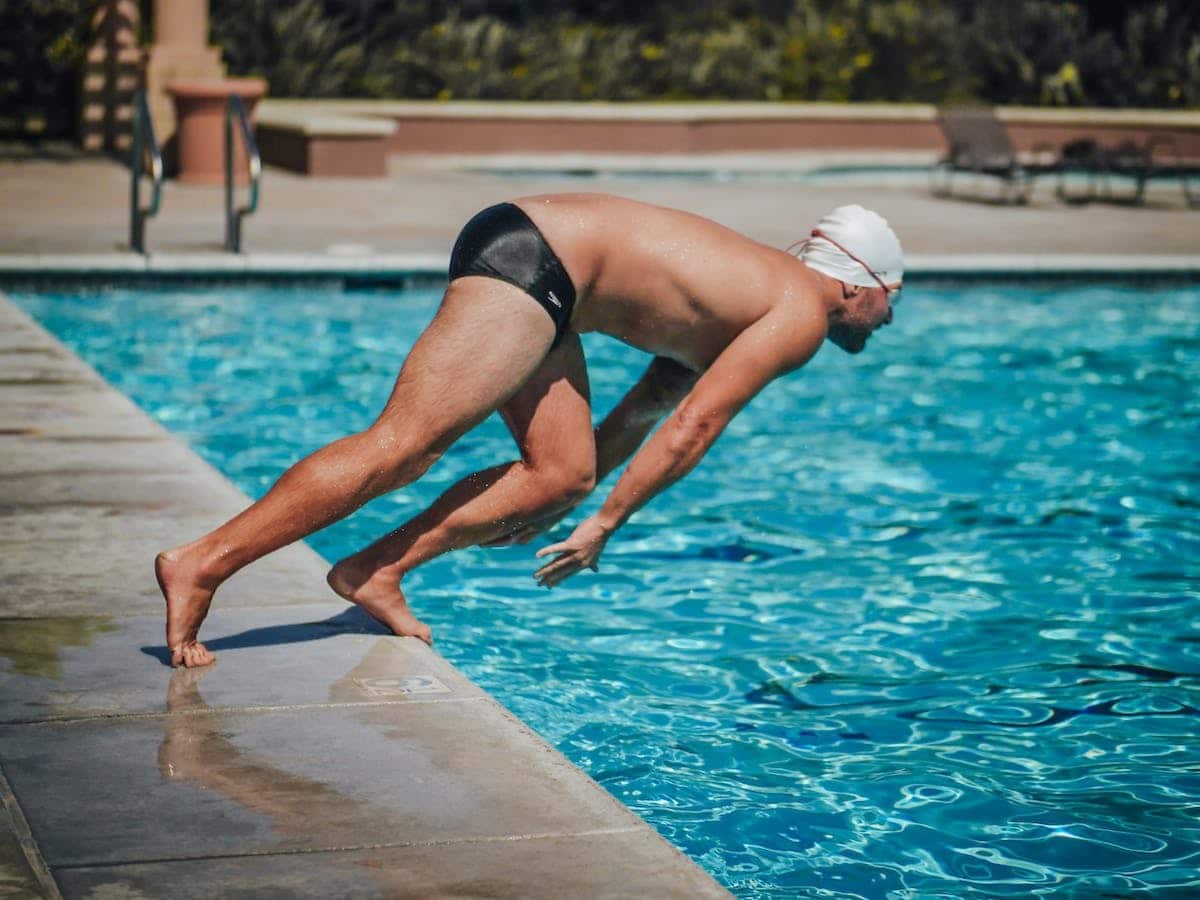
Let’s decrypt a question that intrigues many users of aquatic centers: why are swim shorts often prohibited in swimming pools? A strictly enforced dress code that no one can bypass. A simple piece of fabric may seem trivial, yet it is the source of heated debates. Between hygiene, safety, and comfort, the reasons for this prohibition are numerous and deserve to be highlighted. Dive into the world of public swimming pools and discover why your favorite beach shorts might very well be persona non grata in these places of relaxation and leisure.
Pools: When Dress Codes Take Root
To understand why swim shorts are prohibited in most public swimming pools, one must consider various aspects related to hygiene, safety, and comfort.
One of the main arguments justifying this restriction relates to health concerns. Indeed, swim shorts are often worn outside of aquatic settings and reused without being washed. They can then contain a multitude of potentially harmful impurities: sand, dirt, grass, etc., which can alter water quality and harm filtration systems.
On the hygiene front: a short can also conceal underwear, which is not recommended in the chlorinated environment of a pool, particularly to avoid any risk of infection or contamination.
Regarding practical aspects, wearing a loose short can hinder the freedom of movement of the swimmer and thus increase the risk of accidents in the water. Moreover, its material, often thicker than that of a fitted swimsuit, takes longer to dry, creating an uncomfortable sensation after swimming.
Another reason explaining why swim shorts are banned relates simply to their outdated aesthetic compared to the sporty environment that a municipal pool undoubtedly represents.
All these reasons combined have led many aquatic facilities to prohibit this clothing accessory in favor of the traditional fitted swimsuit, such as briefs or boxers, which comply with both health standards and the appropriate dress code.
It should also be noted that some establishments exceptionally allow this type of attire, but under strictly regulated conditions, such as its exclusive use reserved for their pools.
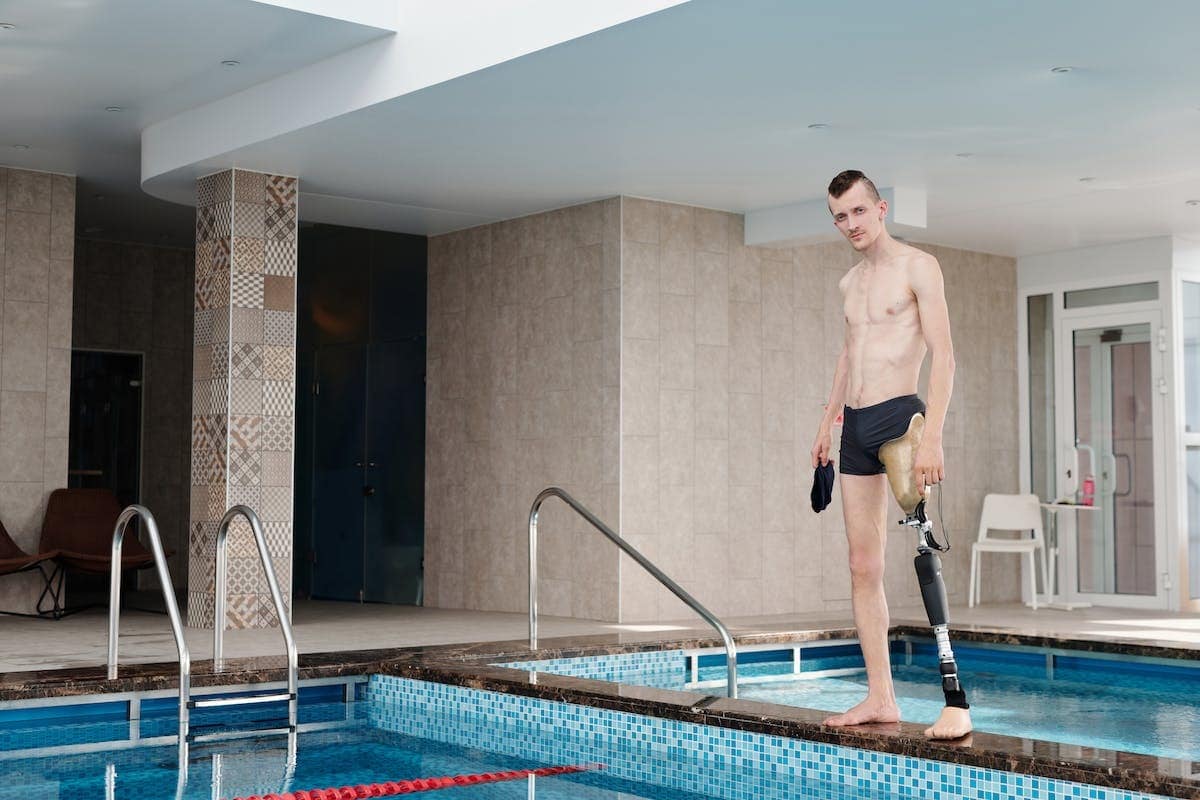
Why Swim Shorts Are Banned from Pools
Fortunately, for swimmers who wish to comply with the dress codes of pools while maintaining their style and comfort, there are various alternatives to traditional swim shorts. Here are some options to consider:
Fitted swimsuits: These swimsuits are designed with a snug fit that allows for greater freedom of movement in the water. They are often made from chlorine-resistant materials and dry quickly after swimming.
Jammers: These swimsuits, popular among professional swimmers, offer extensive coverage from the hips to the knees. They provide additional muscle support and improve aerodynamics in the water.
Swimming boxers: With their mid-length cut, these boxers offer a good compromise between classic shorts and fitted briefs. They ensure comfort and freedom of movement while meeting pool requirements.
Full suits: Although less common in public pools, these full suits can be worn by those seeking maximum protection from the cold or who engage in specific aquatic activities such as scuba diving or surfing.
It is important to note that each establishment may have its own rules regarding accepted attire in their pools, so it is best to check with them before your visit to avoid any confusion or inconvenience.
Although swim shorts are often prohibited in public pools for reasons of hygiene, safety, and aesthetics, fortunately, there is a range of alternatives that allow swimmers to comply with the rules while preserving their comfort and style.
Alternatives to Swim Shorts: What Choices Are Available to You
The advantages and disadvantages of strict dress codes
While strictly enforced dress codes in pools may cause frustration among some swimmers, they are implemented to ensure safety, hygiene, and the aesthetics of the pools. Let’s take a closer look at the advantages and disadvantages of these regulations.
Enhanced hygiene: By banning loose swim shorts, the risk of introducing dirt or other impurities into the water is reduced. Fitted swimsuits provide a more effective barrier against these unwanted elements, helping to maintain the cleanliness of pools.
Dress Codes in Pools: Between Advantages and Disadvantages
The advantages and disadvantages of strictly enforced dress codes in pools are numerous. While some swimmers may express frustration with these regulations, they are in place to ensure safety, hygiene, and the aesthetics of aquatic facilities. In this section, we will analyze the different perspectives on this hot topic.
On the positive side, there is first an enhancement of hygiene within pools. By prohibiting loose swim shorts, these rules help reduce the risk of introducing dirt or other impurities into the water. Fitted swimsuits provide a more effective barrier against these unwanted elements, thus preserving the cleanliness of aquatic facilities.
This policy also contributes to a better management of human flow in pools. Appropriate swimsuits facilitate the visual spotting of staff responsible for monitoring the pools. In case of an accident or incident requiring quick intervention, it is important to easily distinguish each individual present in the water.
Another often-mentioned advantage relates to the visual aesthetics of the places. Loose shorts can give a disheveled and unkempt impression when worn in an environment where appropriate attire is expected. Thus, making fitted swimsuits mandatory helps maintain a pleasant and aesthetically pleasing atmosphere for all users.
However, these strictly enforced rules do not have unanimous support. Some swimmers view them as an infringement on their individual freedom. They argue that the choice of attire should be entirely theirs, as long as it respects other users and does not compromise safety.
Some also point out that these regulations can be discriminatory towards certain groups of people, particularly those who engage in water sports such as surfing or water polo where loose shorts are commonly used.