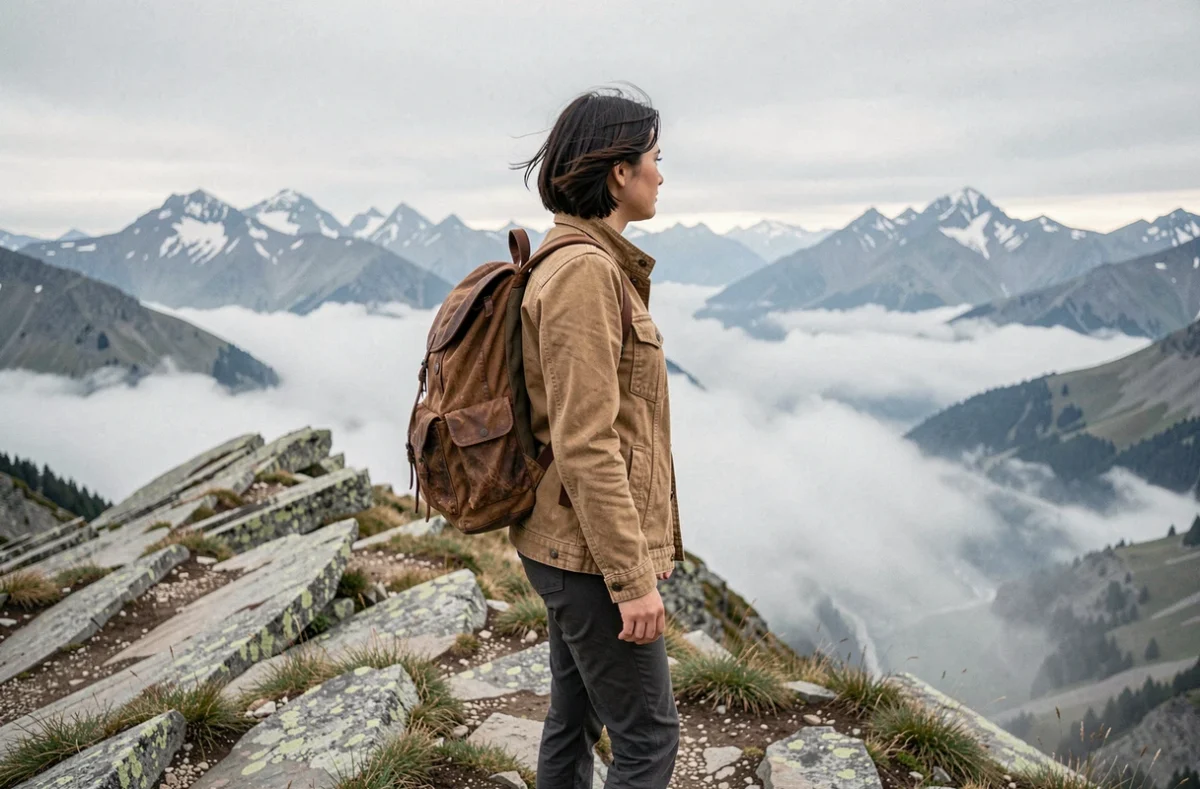
When preparing for an adventure trip, the first challenge is not choosing a destination, but determining the level of physical and logistical commitment one is willing to undertake. A high-altitude trek in Nepal and a nature cruise in Patagonia both fall under exceptional travel, but they require very different preparation and budgets.
Safety and Supervision of Adventure Activities: What Changes on the Ground
Going on an adventure does not mean improvising. Several countries are strengthening their regulations to oversee outdoor activities. In 2026, the Indian state of Maharashtra adopted a specific policy (Adventure Tourism Policy) that mandates the mandatory registration of operators, the employment of certified guides, and standardized safety protocols for land, water, and air activities.
These developments reflect an underlying trend: adventure destinations are structuring their sectors to reduce risks.
In practical terms, this changes how one selects a provider. Before booking a tour, one checks if the local operator has official accreditation, if the guides speak the group’s language, and if repatriation insurance is included. For traveling with Aventures Légendaires, for example, these supervision criteria are an integral part of the itinerary design.
Custom Trips or Guided Tours: Deciding Based on the Terrain
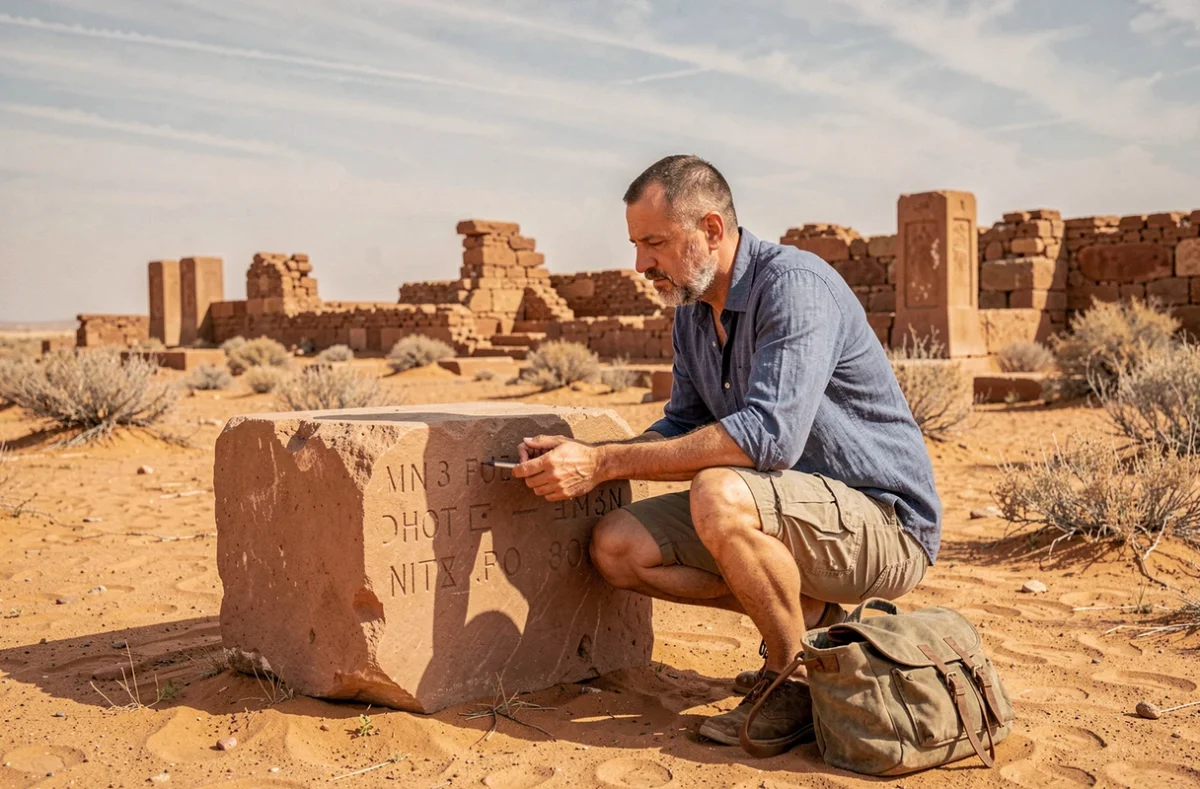
The choice between a custom stay and a guided tour depends less on the budget than on the type of terrain targeted. In Southern Africa, a custom safari allows for adjustments to the animal migrations, which vary from week to week. A group tour, on the other hand, follows a fixed schedule that does not adapt to wildlife.
Conversely, in remote areas like Mongolia or certain Andean regions, a guided tour with integrated logistics reduces transportation and accommodation uncertainties. One does not always find a guesthouse at 4,000 meters altitude, and the presence of a support vehicle changes the game.
Concrete Criteria for Choosing the Right Format
- The density of tourist infrastructure on-site: the lower it is, the more valuable the guided tour becomes logistically
- The physical level required: a technical trek requires a certified mountain guide, not just a simple escort
- The group size: beyond eight people, custom stays lose flexibility and structured tours become more coherent
- The language barrier: in destinations where neither English nor French is common, a local French-speaking guide transforms the experience
Feedback varies on this point, but it is noted that travelers going to an isolated area for the first time prefer guided tours, while seasoned adventurers tend to opt for custom trips.
Responsible Tourism and Destination Choices: Concrete Indicators
The 2025-2026 report from the European Travel Commission shows that four indicators of responsible travel are simultaneously progressing in Europe: traveling off-season, avoiding overcrowded sites, prioritizing low-emission transport, and engaging with local communities. The most significant increase concerns green transport (train, electric mobility).
On the ground, this translates into concrete choices. An internal flight is replaced by a night train journey when the connection exists. An independent accommodation is chosen over an international chain. Tours that include nights with locals or meetings with local artisans are prioritized.
Adventure Destinations Worth Visiting Off-Season
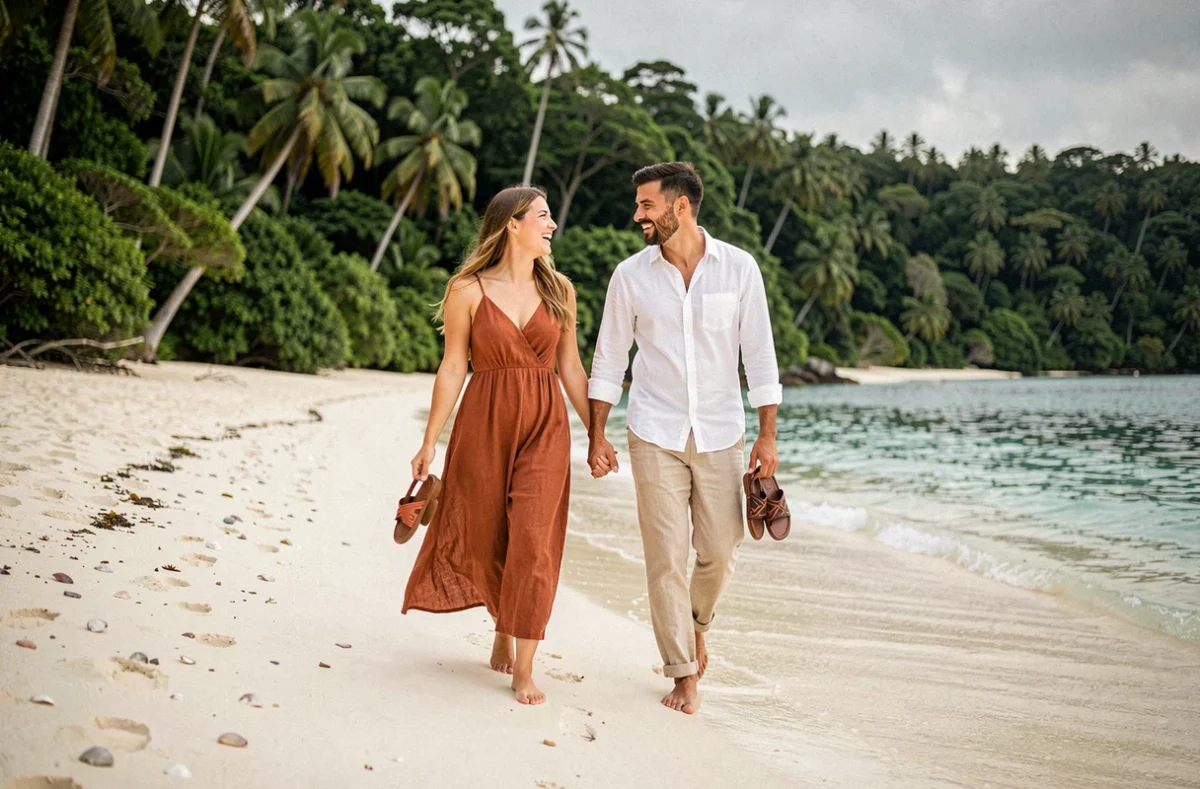
Japan in late autumn offers deserted hiking trails and spectacular colors. Patagonia at the beginning of the season (October-November) allows one to avoid the crowds of December-January while enjoying acceptable weather conditions. Morocco, between March and May, combines moderate temperatures and availability of charming accommodations in the Atlas.
Choosing the right seasonal window radically changes the quality of an exceptional trip. It shifts from a standardized tourist experience to a real immersion in the territory.
Preparing for an Adventure Trip: Costly Mistakes
The first common mistake is underestimating acclimatization. At altitude (Himalayas, Altiplano, Atlas), one should plan for at least two days of leveling off before exceeding 3,000 meters. Skipping this step exposes one to acute mountain sickness, which can turn a trek into a medical evacuation.
The second mistake concerns equipment. A bag that is too heavy on a trekking circuit generates joint injuries by the third day. One aims for a bag weight of less than a quarter of one’s body weight for multi-day treks.
- Check the validity of the passport (at least six months after the return date for most destinations)
- Take out insurance that explicitly covers evacuation in isolated areas, not just standard repatriation
- Bring a medical kit suitable for the terrain: anti-diarrheal treatment, water purifier, compressive bandages for technical hikes
The third mistake, less obvious, is overloading the itinerary. Three well-chosen stops are worth more than seven rushed destinations. One gains depth of experience, physical recovery, and local encounters when slowing down the pace.
An exceptional trip is not measured by the number of countries crossed or the price of the hotel. It is measured by the appropriateness of the chosen format to the terrain, the quality of supervision, and the traveler’s ability to adapt to real conditions. The best program in the world cannot withstand a bad pair of shoes or a guide who does not know their itinerary.