
Local associations provide a significant share of the services available to residents in a municipality. The 2026 edition of *La France associative en mouvement* describes a sustained pace of new associations being formed, while volunteering is becoming more occasional and weekly commitment is declining. This tension between the apparent vitality of the voluntary sector and the weakening of its core workforce raises a measurable question: which local services disappear first when regular volunteers or funding become scarce?
Occasional volunteering versus regular commitment: what the figures reveal
The growing number of new associations masks a structural imbalance. The number of organizations is rising, but volunteer availability is increasingly concentrated on one-off activities (events, collections, themed days) at the expense of weekly commitment.
This shift has direct consequences for activities that require a continuous presence: tutoring, home visits, advice sessions on accessing rights, and supervised sports training. An association that organizes an annual festival can operate with occasional volunteers. An association that provides weekly support to people experiencing isolation cannot.
| Type of association activity | Volunteer commitment required | Vulnerability if regular commitment declines |
|---|---|---|
| Tutoring, literacy support | Weekly, over an extended period | High – service quickly interrupted |
| Food aid, community grocery stores | Weekly, demanding logistics | High – supply disruption |
| Amateur sports (coaching young people) | Weekly, qualified supervision | Medium to high – accreditation required |
| Cultural events, festivals | Occasional, seasonal | Low – short-term mobilization |
| Collections, one-off charitable initiatives | Occasional | Low |
The table highlights a clear point: the most useful local services are the first to be weakened when regular volunteering declines. Event-based activities, by contrast, are more resilient.
Intermunicipal bodies such as CCVO 70 illustrate this local network, where associations provide services that neither local government nor the private sector can deliver alone.

Local association funding: grants, public contracts and cash-flow pressures
A survey conducted in September 2025 among 4 300 respondents by Le Mouvement associatif and its partners points to funding and cash-flow pressures among the employer associations surveyed. These findings describe the respondents, not the entire sector, but the signal remains concerning.
An analysis by the Cour des comptes notes that three channels of public support for associations should be distinguished:
- Direct grants, awarded without a commercial exchange, which fund the association’s own project
- Public contracts, where an association responds to a set of specifications and bills the local authority for a service
- Donations that qualify for tax benefits, which depend on the generosity of individuals or businesses
This distinction changes how an association’s financial stability should be assessed. An organization that relies on public contracts for more than half its funding is directly affected by local authorities’ budget decisions. By contrast, an association funded mainly by membership fees has greater autonomy, but often a more modest budget.
Loans between nonprofit organizations: a recent safety net
The decree of 7 August 2025, which came into force on 9 August, sets out the conditions governing loans between nonprofit organizations. This option can help an association facing a cash-flow gap (a delayed grant payment or an advance on a project). It is no substitute for sustainable funding, but it provides a tool for solidarity between associations that was not previously available in this form.
Community sports and accreditation: when regulations determine access to public funding
Amateur sports occupy a special place in a municipality’s voluntary sector. The French Sports Code stipulates that sports associations receiving state aid must be accredited and sign a republican commitment contract. This framework includes protecting physical and moral integrity, particularly that of minors.
This requirement is not merely administrative. It entails concrete obligations: checking coaches’ criminal records, providing first-aid training, and ensuring facilities meet the required standards. For a small rural sports association with two or three volunteers, these requirements may be enough to discourage leaders from renewing their terms.
When a local sports club closes for lack of leaders or qualified coaches, young people lose not only a place to play sports but also a structured space for social interaction. In municipalities without dedicated public facilities, there is no alternative to take its place.
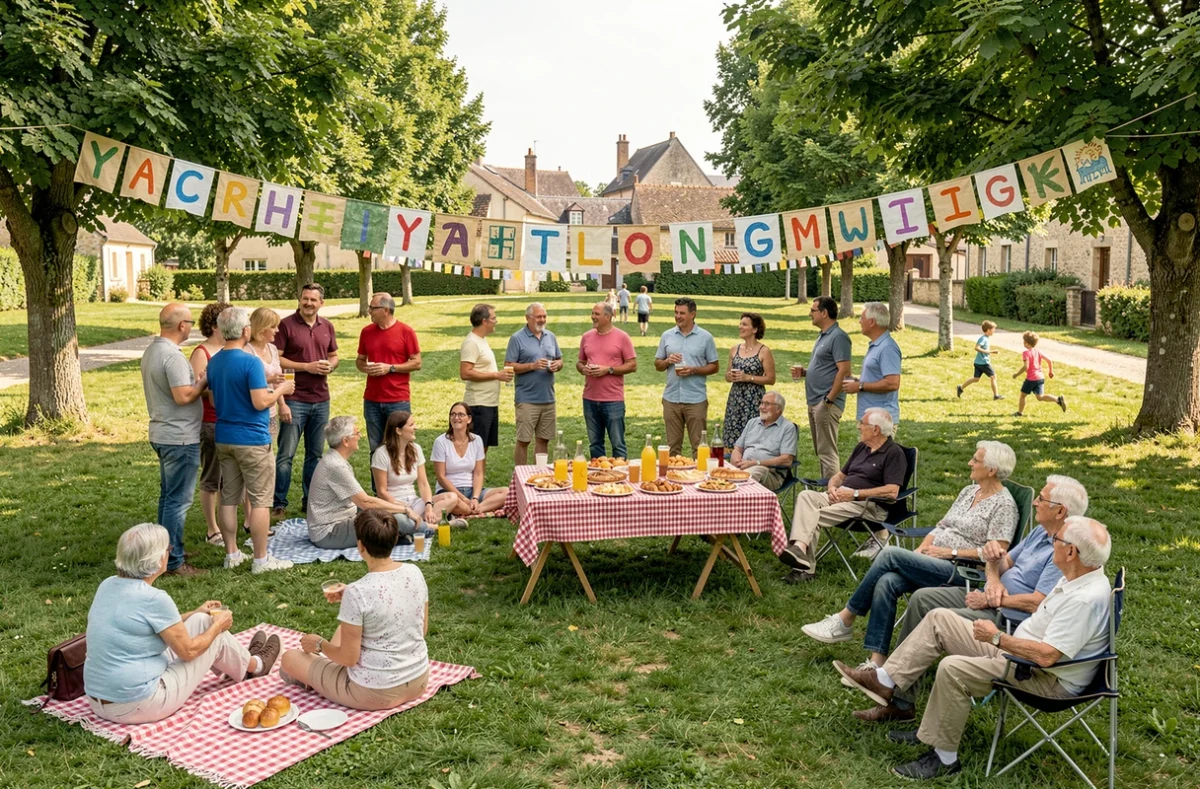
Which local services disappear when an association closes?
The question of what sets this issue apart can be answered by looking at what happens on the ground. The first activities to stop are not the most visible, but those that depend on regular commitment:
- Legal advice or access-to-rights sessions run by trained volunteers, who can take months to replace
- Homework help and tutoring, which require a weekly commitment throughout the school year
- Volunteer transport to healthcare services, provided by volunteers using their own vehicles
- Friendly visits to older people experiencing isolation, which depend on a trusted network built over time
These services generate neither revenue nor media attention. Their disappearance often goes unnoticed until the consequences (isolation, falling behind at school, foregoing medical care) show up in the municipality’s social statistics.
A municipality’s community life cannot be measured by the number of organizations registered with the prefecture. It is measured by their ability to sustain regular activities, with trained volunteers and funding that does not dry up from one year to the next. The true measure of local solidarity is the continuity of the service provided, not the apparent dynamism of new organizations being formed.