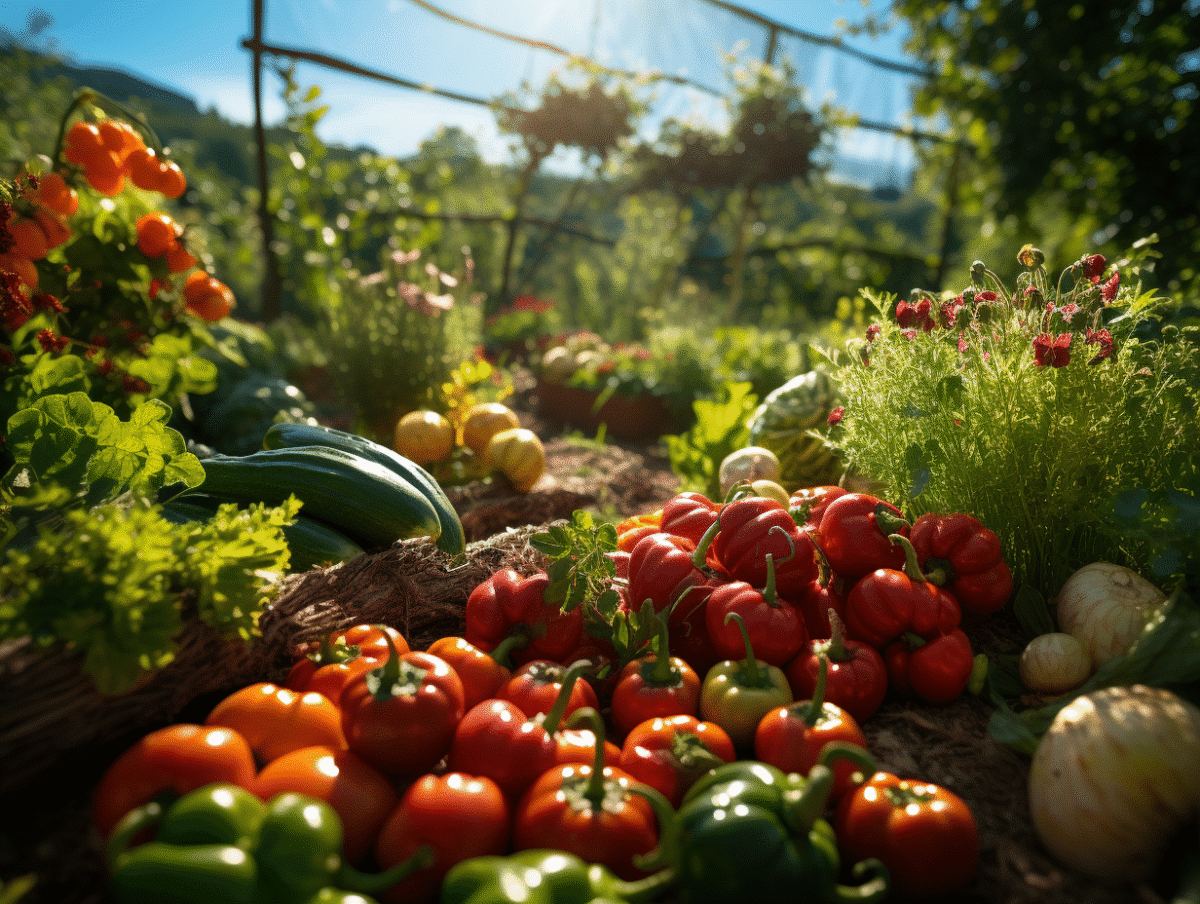
Growing a productive vegetable garden year-round requires good planning and some key tips. Each season presents its own challenges, whether it’s winter frost, summer heat, or diseases and pests that can arise at any moment. However, with smart crop rotation, the choice of suitable varieties, and the use of shelter or indoor growing techniques during the coldest months, you can create a nourishing and sustainable garden.
Space and resource optimization for maximum yield
For gardening enthusiasts, optimizing space is a constant quest. Using raised planters, adopting triangular planting, and training plants to climb are strategies that maximize the use of every square inch of soil. Dédé in his garden understands this well: by diversifying heights and shapes of cultivation, he creates a rich ecosystem where each plant benefits from the necessary exposure and ventilation. Permaculture offers a range of solutions to combine crops and take advantage of beneficial interactions between plants.
The size of the family also influences vegetable garden planning. For a family of two, for example, planting 25 garlic bulbs in February-March or installing two blackcurrant bushes from November to March ensures an adequate amount for consumption without wasted surplus. One basil plant is more than enough to flavor summer dishes. And for a larger family, these quantities will be adjusted accordingly, keeping in mind that the garden should provide food without becoming an overwhelming source of work.
Don’t forget that the success of a vegetable garden lies in monitoring and maintenance. Tips for effective vegetable garden maintenance include regulating watering, constantly monitoring for pests and diseases, and adding natural amendments to maintain soil fertility. A well-planned and maintained vegetable garden can become a source of healthy and abundant food, and perhaps even a place for sharing and exchange within the community.
Techniques and planning for a sustainable harvest throughout the year
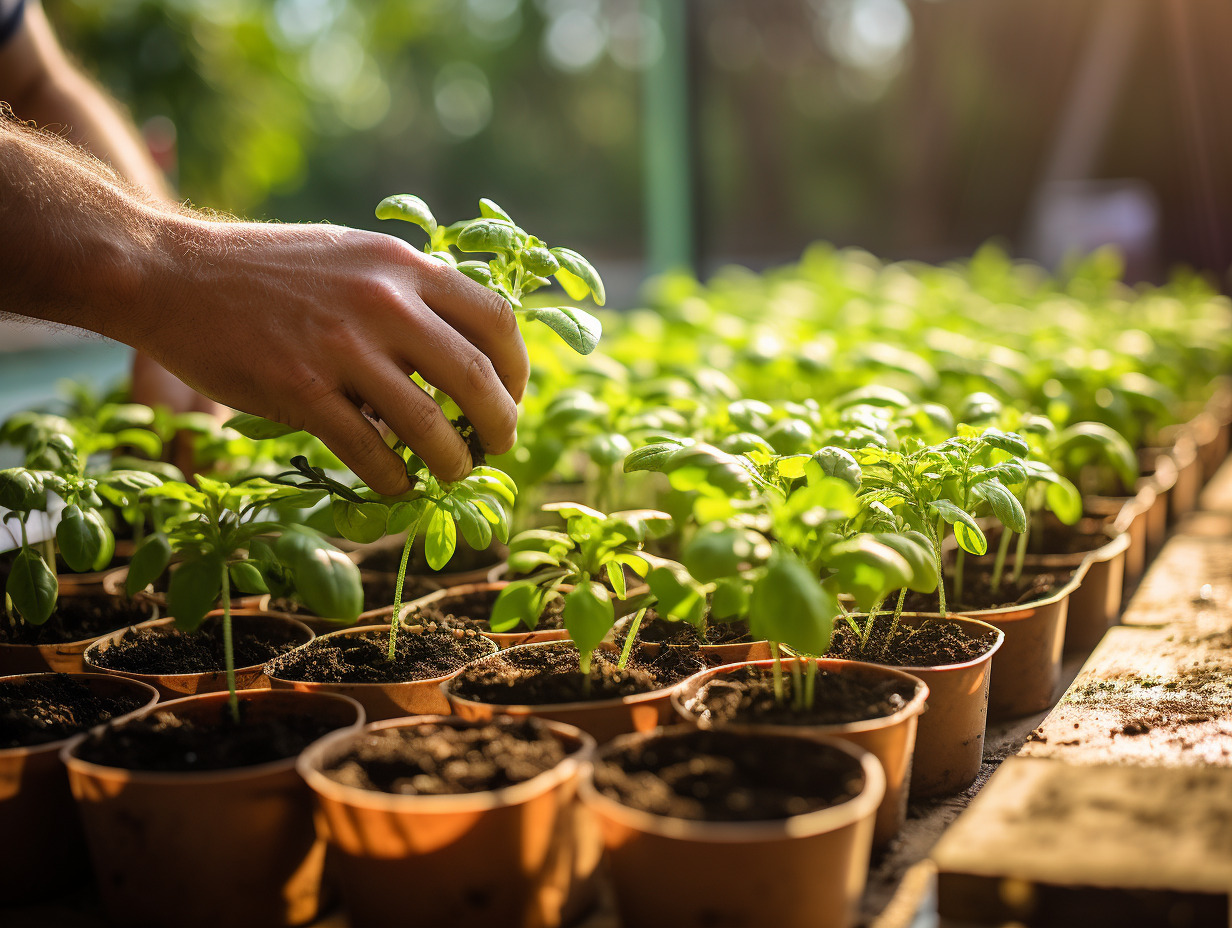
For those dreaming of a productive vegetable garden in every season, the key lies in meticulous planning and the adoption of techniques suited to each time of year. As spring arrives, think of early crops like radishes or salads, which will quickly make way for other plants. Anticipate summer by preparing seedlings of vegetables like tomatoes or peppers, which require more warmth. For autumn, prioritize planting cabbages or leeks, which are resistant to the emerging cold. In winter, some leafy and root vegetables brave the frost; consider spinach or carrots under frames.
Crop rotation is essential for maintaining soil health and fertility. Combine it with the use of green manures like clover or mustard, which will enrich the soil with nitrogen and combat weeds. These plants will also provide protection during the off-seasons and decompose to nourish the following crops. Diversifying the species planted not only ensures a living soil but also a harvest spread over time.
For specific crops, adhere to the planting and harvesting calendar: garlic planted in February-March is harvested in June, new potatoes are dug up at the beginning of summer, and small fruits, like blackcurrants, offer their freshness in July. Each vegetable, each fruit from the garden has its own rhythm. Harvests depend on the planting time and the constant care given throughout their development. Follow this natural rhythm for an abundance of fruits and vegetables all year round.