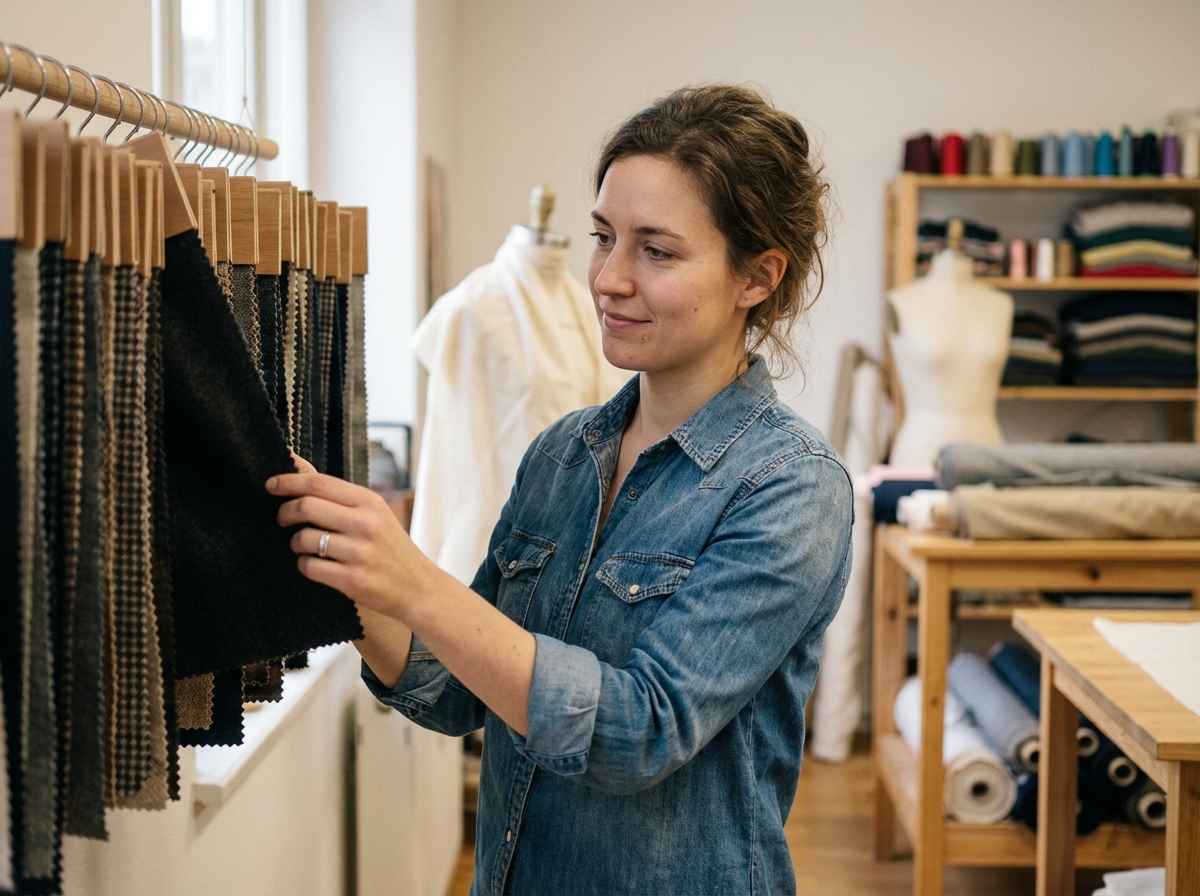
A polyester fabric can cost up to five times less than high-end merino wool, without guaranteeing the same durability. In the ready-to-wear sector, some designers favor synthetic fibers to limit production losses, while others bet on natural materials, even if it means increasing the final price. European regulations now impose strict criteria on the traceability of textiles, making some material choices more complex than before. Between budget constraints, environmental requirements, and market expectations, each fabric selection directly influences the design and identity of a collection.
Understanding the Role of Materials in Creating a Unique Garment
At the root of textile personalization, the material sets the tone. It does not merely color or dress a piece: it conditions the feel, durability, and use of the personalized garment. Take a fabric: its nature dictates the cut, the fit, the lifespan of the product. Between breathable cotton, technical polyester, summer-evoking linen, or protective wool in winter, each fiber leaves its mark and meets specific needs.
The choice of fabric is not a mere formality: it guides the quality, durability, and comfort of the personalized garment. In the world of personalized t-shirts, selecting the material becomes a strategic decision that shapes the look and perception of the final product. The “personalized t-shirt” page also reveals how to choose the ideal composition based on usage, season, and the expectations of the wearer.
The diversity of textile materials opens up a true range of possibilities:
- poplin for its structured fineness,
- voile when seeking lightness,
- satin for shine,
- viscose for fluidity.
Each material has its strengths, limitations, and requirements in production. And the choice doesn’t stop there: one also scrutinizes the origin, cultivation method, traceability, and the presence of certifications… all factors that weigh heavily in the balance for workshops and creators concerned with ethical sourcing and sustainability.
Personalized garments then become vehicles for the identity of a company, a group, or simply an individual initiative. This multitude of uses encourages reflection on both technical requirements and creativity: a garment intended for everyday wear must withstand the test of time, retain its colors, and remain pleasant against the skin. The material does not merely dress: it carries and extends the uniqueness of each textile project.
What Criteria to Prioritize When Choosing Fabrics and Materials?
Faced with the variety of fabrics, certain criteria are essential to guide the choice of fabric. These will make the difference between a personalized garment that lasts and one that disappoints.
- Durability: prioritize textiles designed to endure intensive use, frequent washing, and exposure to light. A tightly woven cotton, technical polyester, or a high-density poplin offers robustness that stands the test of time.
- Comfort: select the fiber according to the season and use. Linen guarantees a feeling of freshness, wool insulates from the cold, viscose flows over the skin, satin offers a soft shine.
- Ethical sourcing: the origin of the fabric, the cultivation or manufacturing method, and environmental certification become essential reference points in the selection process.
The textile color resonates far beyond mere visual appeal. It conveys a message, shapes the brand’s image, and must align with the graphic identity: blue to inspire trust, red to energize, green to mark ecological commitment, yellow for optimism, black for distinction, white for professional sobriety. Choosing a color is already engaging in a communication strategy, but also ensuring technical feasibility and longevity.
In this approach, the relationship established with the workshop or supplier takes on the nature of a true partnership. Together, one adjusts the balance between creativity, technical requirements, and the values upheld by the company. Textile personalization relies on this demanding dialogue between material and vision, to produce garments and accessories that make sense.
From Sketch to Finished Piece: How Material Choices Shape a Textile Brand’s Identity
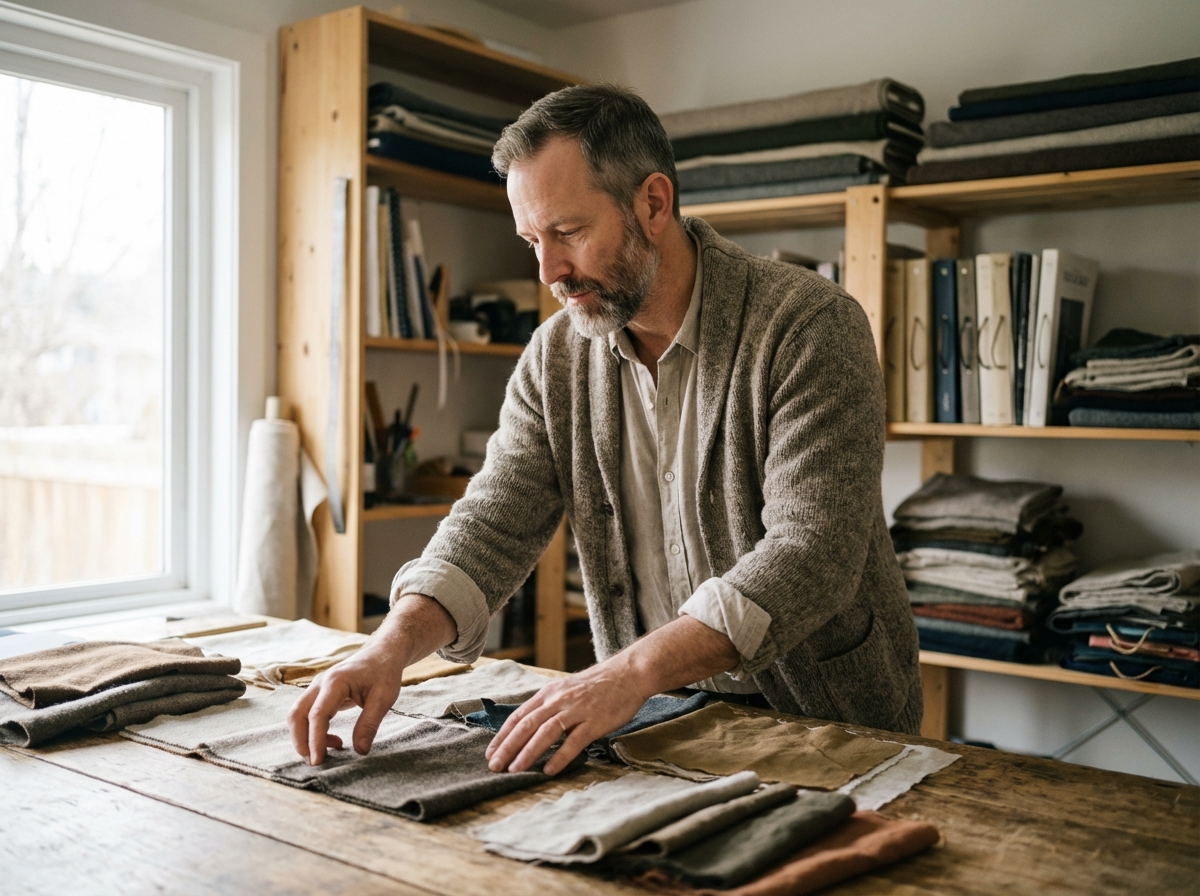
Everything begins well before the first cut. On the designer’s table, the pencil sketches a silhouette, imagines a structure: but behind each line, the textile material is already dictating its terms. The collection plan, developed hand in hand with the product manager, sets the stage: range, season, uses, coherence with the brand’s visual identity.
In the workshop, the pattern maker takes over: from the sketch, he creates a pattern, then a prototype. Here, everything shifts according to the chosen fabric: cotton, polyester, linen, wool, silk, viscose, poplin, voile, or satin, each material influences the construction, cut, drape, and feel. A well-stretched satin creates an airy dress, poplin densifies the shirt, and a thick cotton provides reassurance in a hoodie. These choices impact the durability, quality, and feel when worn.
Textile personalization then opens its range of techniques: embroidery for a refined and durable signature, screen printing if clarity is paramount, flocking or digital printing to unleash creativity. These processes, offered by specialized companies, adapt to the material and the pattern, while the technical file ensures harmony throughout the manufacturing process.
The finished piece finally takes center stage: merchandising and communication seize it, extending the spirit of the collection. Each personalized garment, the result of a series of demanding decisions, asserts the brand’s message down to its most discreet fibers.
With every thread pulled, a story is written. With every chosen material, an identity is outlined. Textile personalization is never just a matter of cut or color: it is the promise of a garment that speaks, lasts, and leaves a unique imprint along the way.